“If you want to go fast, go alone. If you want to go far, go together.”
— African Proverb
It was the day of the event, and my to-do list was longer than my arm. I was co-directing a community festival, on top of my full-time teaching job. I needed my co-director, and I couldn’t find her anywhere. Hours went by. I finally found her late that night, laughing with a group of attendees, and I lost it. I blew up in her face right there.
I quickly wanted to take back what I said. I wasn’t proud of that moment.
What motivated me to take this on in the first place?
It certainly wasn’t for the money. A close friend asked if I would help; I wanted to connect with the community and use my strengths in a way I found satisfying. This event initially met those needs, but it overwhelmed me to the point that I was tired and frazzled. I didn’t even enjoy the event or the community connections.
What I learned (and it took three events to learn this): partnerships are key to running a successful community program and keeping it sustainable. It can start as an idea from one person, but it needs to have ongoing commitment and vision from many to keep it going and growing.
4 Ways to Build Partnerships
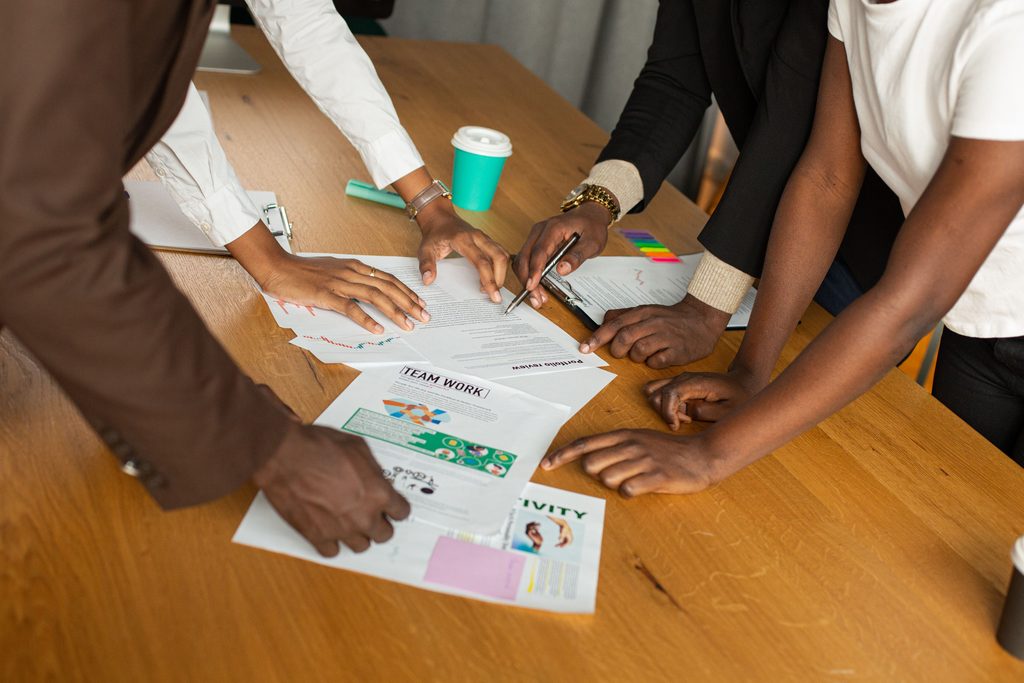
- Create relationships with key people in the organization. The project can move only as fast as the relationship it’s built upon. When I start with a new partner, I identify the key people first, ask for a one-on-one meeting, and then build questions that guide our conversation. What’s the problem, as you see it? What have you already tried? What do you envision as a solution? Those three questions build trust more than any pitch I could make.
- Listen with a heart. This past year, the county hired me to develop a youth intervention program. I started work on the program by listening: meeting with key partners, asking questions, and paying close attention. I use an electronic notetaker so I can stay fully present in the conversation instead of splitting my attention between notes and the speaker. I pause, ask follow-up questions to clarify, and reflect back what I heard before moving on. That process surfaced all the ways the organization had already tried to solve this problem, things I wouldn’t have known otherwise, and that history is now shaping how I design the program.
- Be authentic to your values and strengths, and find others to help you. The youth intervention program isn’t “my program,”; it’s the county’s program, and I happen to be the coordinator. I don’t have all the answers or all the pieces of the puzzle to put this together. I need to be clear about what I can do and where I need more support from the community. You can’t do it alone if you want the program to grow and be sustainable. A simple way to get clear on this: make three columns. In the first, list what you can do that aligns with your strengths and values. In the second, list what you need help with. In the third, list who you can ask. This keeps you honest about your role and gives you a starting place for who to bring in next.
- Keep the vision top of mind for everyone. As the project coordinator, part of my role is holding the vision for the group and asking the tough questions that keep us moving toward it. In most committee meetings, I talk through the project’s goals, what we’re doing to move it forward, and what other partners have been doing, so everyone is working from the same information. When the group starts to drift, I ask one question: “How does this action help us reach our goal?” There are many ways to reach a goal, and the group needs to be clear on which actions actually get them there.
After the third year, the community festival I co-directed never happened again. I burned out completely, and the event I’d poured so much into simply ended. Looking back, I know now what was missing: partnerships that could carry the weight I was trying to carry alone.
Community-benefiting programs grow and last through relationships, listening, clarity about your own strengths and limits, and a vision everyone can hold onto together. If you want to go fast, go alone. But if you want to go far and build something that outlasts you, go together.
If you’re leading a program or organization and feel like you’re carrying too much of it alone, let’s talk. I help leaders build the partnerships that make their work sustainable, not just for a season, but for the long run.